
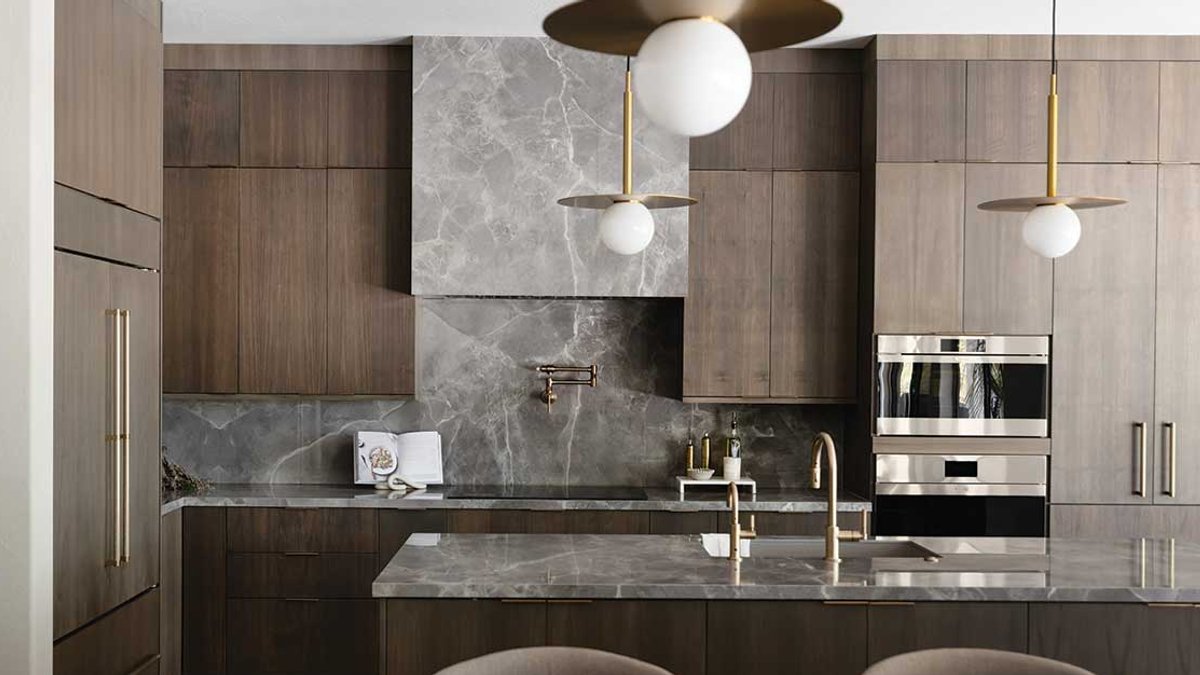
Kitchen design has evolved beyond simple meal preparation, becoming the central hub for family gathering and daily living in modern homes. Recent renovations across the Phoenix area illustrate a shift toward layouts that balance heavy-duty utility with aesthetic appeal.
Designers are increasingly focused on reimagining existing footprints to accommodate diverse activities, from cooking to quiet conversation, often through the strategic relocation of appliances and cabinetry.
Materials and Natural Elements
One of the primary challenges in modern renovation is avoiding a sterile environment while still maintaining a sleek look. Interior designers suggest that natural materials can bridge this gap effectively.
Stephanie Larsen of Stephanie Larsen Interior Design emphasizes that a lack of color does not necessarily create a calming space. “Creating a space that feels calming and restorative doesn’t mean you have to avoid using color,” Larsen stated. She advocates for “anchoring a space in natural materials and layering in chromatic details with intentionality.”
Natural materials play a key role in this approach. This focus on natural resources is also evident in designs inspired by the local setting. Jaimee Rose of Jaimee Rose Interiors addressed the potential for a kitchen to feel “depressing” by introducing an exuberant marble that pulls hues from the surrounding Sedona geology. The goal was to ensure the interior connected with the scenery, using stone as the grand statement.
Similarly, Isabel Dellinger Candelaria of Earth & Images designed her kitchen to feel “collected rather than decorated,” utilizing reclaimed wood and a palette inspired by the Southwest to create a dialogue between refinement and rusticity.
Layout and Function
Functionality often dictates the physical structure of the space. For large families, designers prioritize layouts that allow multiple activities to coexist without encroaching on one another.
Maria Zambrano of Maria Z Interiors focused on perfect symmetry and distinct zones within her design. “The juxtaposition of natural walnut, stone and light feels both inviting and warm,” she noted, demonstrating that a limited palette of charcoal and warm tones can still provide depth.
In other projects, the layout was adjusted to maximize efficiency. Whitney Ford of Whitney Ford Design eliminated a traditional pantry to gain essential storage space. Her solution involved creating two distinct islands: one focused on daily function and prep, and the other oriented toward the living space to facilitate gathering.
Related: Hendon’s Radiant Rings: Elevating Love Stories
Kaitlyn Wolfe approached a smaller, Tuscan-influenced home with a moveable island featuring a circular cutout, proving that versatility is key regardless of square footage.
Architectural Context and Style
Designers frequently work within the existing architectural language of a home rather than completely overhauling it. James McIntyre of James McIntyre Interior Design updated a mid-century bungalow by moving the design forward, avoiding cliché 1960s colors in favor of “natural contemporary styling” with oak block-style cabinets and cage pendants.
This approach respects the original structure while updating it for contemporary living. Other projects look to specific cultural influences to guide the aesthetic. Brittny Smith of Homesmith Design blended subtle Spanish influences with modern lines, using a dark island to anchor a soft cream perimeter.
In a more contemporary setting, Mary Marsh of Lillian James Design Group focused on architectural interventions, specifically opening the ceiling to introduce volume and warmth, proving that sometimes the biggest impact comes from reimagining what is already there.
The Human Element in Design
The most successful renovations seem to bridge the gap between the pursuit of sleek, minimalist aesthetics and the human desire for comfort. While clean lines and neutral palettes offer a sophisticated backdrop, they can sometimes feel sterile without the right texture or lighting.
Tactile elements—like reclaimed wood, brass fixtures, or patterned tile—invite touch, ensuring the space feels lived-in rather than merely observed.
Ultimately, the consensus among designers is that the best kitchens are those that reflect the specific lives of their residents. Rather than chasing fleeting trends, it is more effective to create spaces that resonate on a personal level.
Whether through the use of bold stone, dual islands, or simply the strategic opening of a ceiling, these projects demonstrate that thoughtful planning is the key to a lasting home. “Design a home that resonates with you and reflects how you want to live,” Smith advised.


